Corridoio Est Uffizi - Eastern Gallery Corridor Guide
Discover the Eastern Corridor at Uffizi Gallery featuring Roman sculptures, Renaissance portraits, and architectural beauty. Complete visitor guide and highlights.
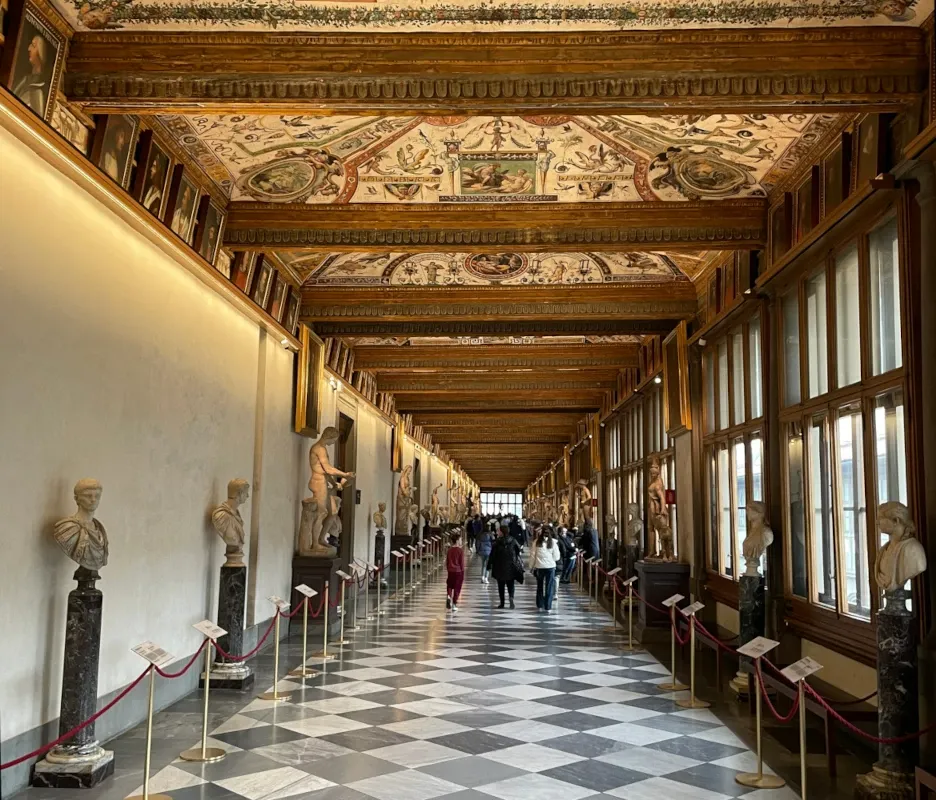
Corridoio Est: A Journey Through Artistic Centuries
The Corridoio Est (Eastern Corridor) of the Uffizi Gallery represents one of the most elegant and historically significant passageways in the world, connecting visitors through centuries of artistic achievement while offering breathtaking views of Florence.
Architectural Marvel
Vasari's Vision
Designed by Giorgio Vasari in the 16th century, the corridor exemplifies:
- Renaissance architectural principles with perfect proportions
- Natural lighting systems through strategically placed windows
- Elegant arched ceilings creating spatial harmony
- Integrated display concepts blending architecture with art
Structural Features
The corridor's design includes:
- Continuous gallery space stretching 120 meters
- Arno River views through large Renaissance windows
- Classical proportions following Vitruvian principles
- Marble flooring with geometric patterns
Sculpture Collection
Ancient Roman Masterpieces
The corridor houses an extraordinary collection of:
- Imperial portraits from the 1st-3rd centuries CE
- Mythological figures in pristine marble
- Decorative reliefs showcasing Roman craftsmanship
- Funerary monuments revealing ancient customs
Notable Sculptures
Key pieces include:
- Portrait of Augustus in military dress
- Venus de' Medici (Roman copy of Greek original)
- Wrestlers demonstrating athletic ideals
- Sarcophagi reliefs with mythological scenes
Renaissance Portraits
Medici Patronage
The portrait collection reflects:
- Dynastic pride through family representations
- Political alliances via diplomatic portraits
- Artistic innovation in portraiture techniques
- Cultural sophistication of Renaissance Florence
Artistic Techniques
Visitors can observe:
- Oil painting mastery in Northern European works
- Fresco techniques in Italian portraits
- Psychological depth in facial expressions
- Symbolic elements conveying status and virtue
Historical Significance
Cultural Crossroads
The corridor served as:
- Private passage for Medici family movement
- Diplomatic venue for important meetings
- Artistic showcase demonstrating cultural wealth
- Educational space for Renaissance learning
Evolution Through Time
Historical transformations include:
- 16th century original construction and decoration
- 17th century expansion of sculpture collection
- 18th century addition of portrait galleries
- Modern era conservation and climate control
Visitor Experience
Viewing Strategy
Optimal exploration involves:
- Systematic progression from ancient to Renaissance works
- Window pauses for Arno River and city views
- Detail observation of sculptural techniques
- Comparative analysis between different periods
Photography Opportunities
- Architectural perspectives showcasing corridor length
- Sculpture details highlighting craftsmanship
- Natural lighting effects through Renaissance windows
- Cityscape views from corridor windows
Conservation Efforts
Preservation Challenges
Ongoing conservation addresses:
- Climate control for mixed material preservation
- Visitor impact management and flow control
- Natural light balance for viewing and protection
- Structural maintenance of historic architecture
Modern Technology
Conservation employs:
- Environmental monitoring systems
- Preventive conservation protocols
- Digital documentation for research
- Visitor education programs
Educational Value
Art Historical Lessons
The corridor teaches:
- Sculptural evolution from Roman to Renaissance
- Portraiture development across cultures
- Architectural integration of art and space
- Patronage systems in art commissioning
Cultural Context
Understanding includes:
- Medici collecting practices and preferences
- Renaissance humanism reflected in art choices
- Classical revival in sculpture and architecture
- Florentine artistic identity formation
Planning Your Visit
Timing Recommendations
- Mid-morning visits offer optimal lighting
- Weekday exploration provides quieter experience
- Guided tours enhance historical understanding
- Extended time allows detailed appreciation
Nearby Highlights
Complement your visit with:
- Tribuna for concentrated masterpieces
- Vasari Corridor for architectural continuity
- Arno River views from corridor windows
- Ponte Vecchio visible from eastern windows
The Corridoio Est stands as a magnificent example of how architecture, sculpture, and painting can unite to create an immersive cultural experience that has inspired visitors for over four centuries.
About the Author

Uffizi Gallery Expert
Passionate about art and travel, I created this site to help fellow travelers make the most of their visit to the Uffizi Gallery in Florence. With years of experience exploring museums worldwide, I share practical tips and insights to enhance your cultural journey.
Tags
Comments (0)
Loading comments...