Caravaggio Bacchus Uffizi - Baroque Painting Guide
Explore Caravaggio's Bacchus at the Uffizi Gallery, uncovering the baroque artistry, hidden symbolism, and historical significance of this masterpiece.
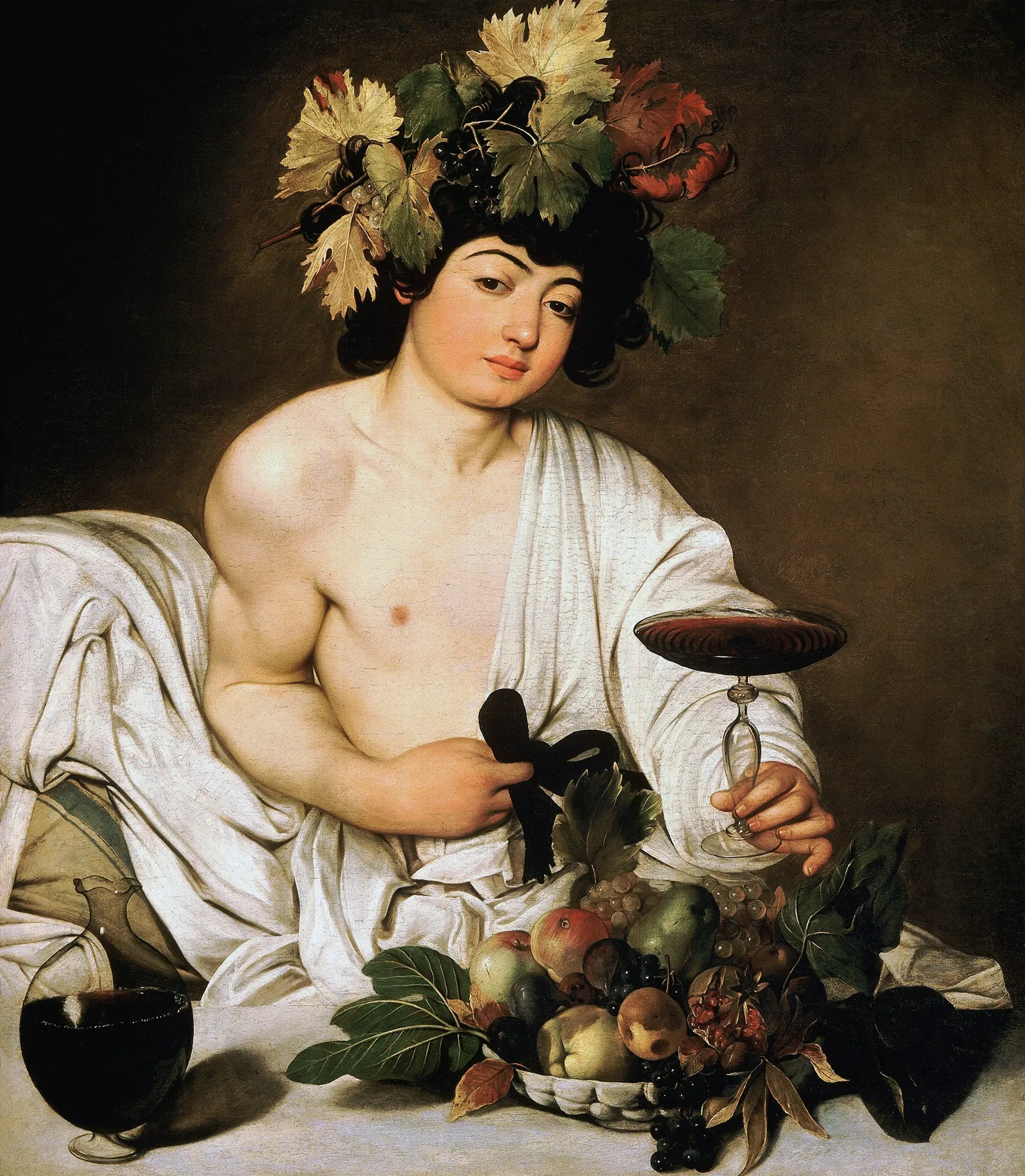
Caravaggio's Bacchus: A Revolutionary Baroque Masterpiece
Michelangelo Merisi da Caravaggio's Bacchus (1595-1596) stands as one of the most revolutionary paintings in the Uffizi Gallery, marking a dramatic departure from traditional Renaissance idealism toward unprecedented realism.
The Revolutionary Technique
Caravaggio's innovative use of chiaroscuro - the dramatic contrast between light and dark - creates an almost three-dimensional effect that brings Bacchus to life. The god of wine emerges from the dark background, illuminated by a single light source that highlights every detail of his youthful face and the translucent grapes.
Hidden Symbolism and Meaning
The Dual Nature of Wine
The painting presents wine's dual nature - both pleasure and danger. Bacchus's slightly flushed cheeks and languid pose suggest intoxication, while the perfectly rendered fruit speaks to abundance and sensuality.
Self-Portrait Elements
Art historians believe Caravaggio used his own features for Bacchus, creating a complex self-portrait that blurs the line between the divine and mortal.
Technical Mastery
- Realistic fruit rendering: Each grape appears translucent and ready to burst
- Fabric textures: The white drapery showcases Caravaggio's mastery of different materials
- Psychological depth: Bacchus's direct gaze creates an intimate connection with viewers
Visiting Tips
Best viewing time: Early morning when natural light enhances the painting's luminosity
Location: Room 90 (Caravaggio Room)
Audio guide: Available in 8 languages with detailed analysis
The painting's revolutionary realism influenced countless artists and marked the beginning of the Baroque movement that would dominate European art for centuries.
A szerzőről

Art History Expert
A művészet és utazás iránt szenvedélyesen érdeklődöm; ezt az oldalt azért hoztam létre, hogy segítsek az utazóknak a lehető legtöbbet kihozni firenzei Uffizi-látogatásukból. A világ múzeumaiban szerzett éveim tapasztalatait megosztom, hogy gazdagítsam kulturális élményeit.
Tags
Comments (0)
Loading comments...