Adoration of the Magi Botticelli - Uffizi Gallery Guide
A guide to Botticelli’s Adoration of the Magi in the Uffizi: its patrons, Medici portraits, symbolism, and tips for viewing.
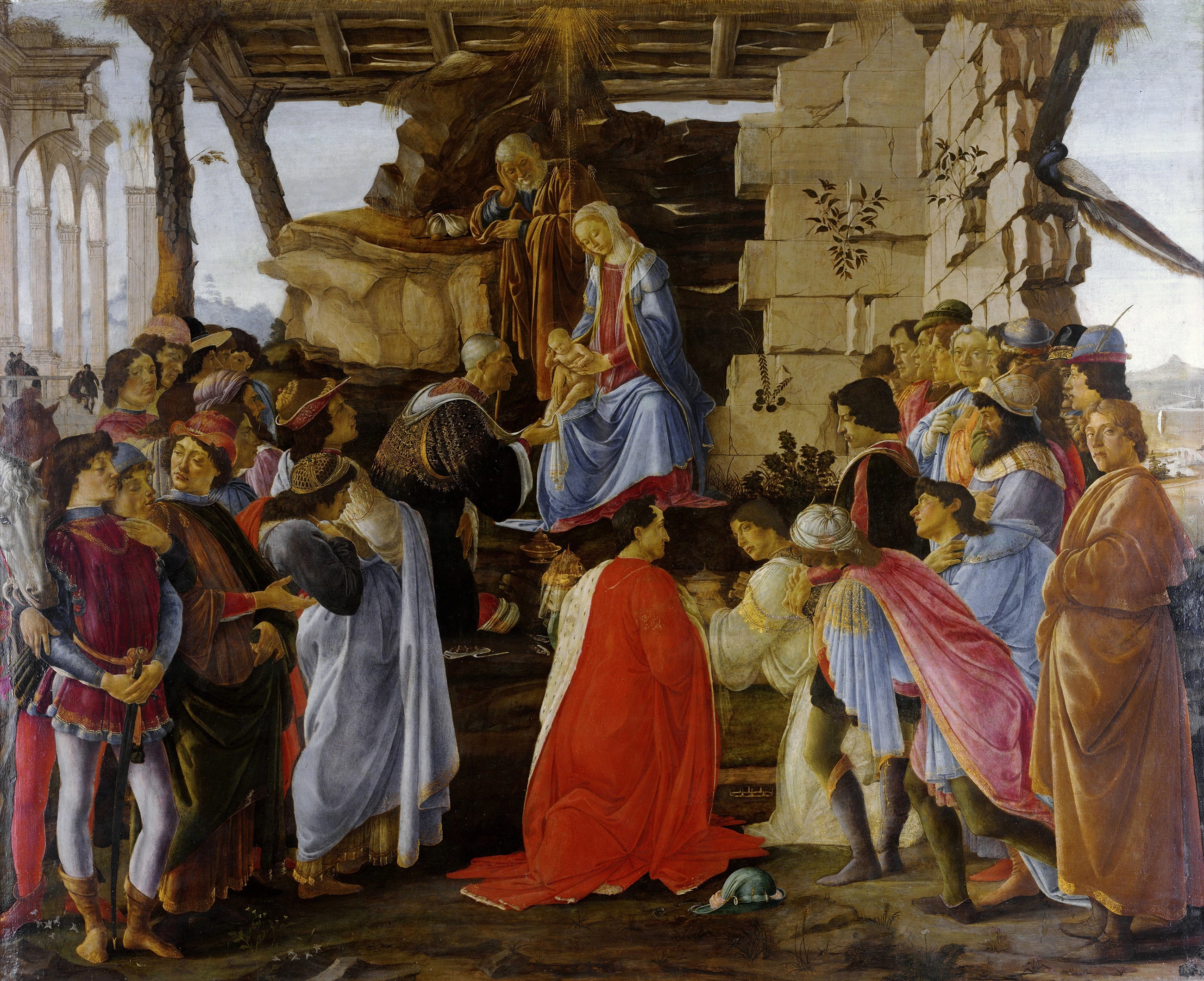
Adoration of the Magi by Botticelli: Power, Portraits, and Divine Homage
Sandro Botticelli’s Adoration of the Magi (c. 1475) is more than a vivid depiction of a biblical scene—it’s a portrait of 15th-century Florence, intertwining faith, family, and political imagery. The painting is in the Uffizi Gallery and is one of the master’s most celebrated works.
The Story Behind the Painting
Commissioned by Gaspare di Zanobi del Lama for his chapel in Santa Maria Novella, the work mixes the traditional Christian story of the Magi with portraits of powerful families in Florence, especially the Medici. Botticelli was skilled at weaving real faces into sacred stories.
Symbolism and Meaning
Beyond the narrative of the Magi coming to adore the newborn Christ, there are many layers of meaning:
Key Symbolic Elements:
- Portraits of the Medici: The three Magi are thought to represent Cosimo the Elder and his sons Piero and Giovanni. Other Medici figures and important contemporaries are also included among the crowd. Botticelli turns powerful political actors into worshippers.
- The Star & Ruins: A star overhead guides the Magi, while ruins of classical architecture appear in the background—suggesting the old pagan world giving way to Christian revelation.
- Contrast of Calm and Movement: Mary, Joseph, and the Christ Child are calm, central, still—almost untouched by the activity around them. In contrast, the Magi, the kneeling figures, supporters, and entourage bring in action, color, gesture. This contrast underscores the sacred amid worldly presence.
Technical and Aesthetic Mastery
- Composition & Portraiture: Botticelli’s skill in grouping many figures, each with individual expression, costume, and posture, while keeping focus on the central holy family, is remarkable.
- Color & Detail: Rich, vibrant costumes, detailed textiles, expressive faces—Botticelli uses beauty and reality to engage the viewer.
- Spatial Depth & Setting: The stable, the wooden structure, the ruins, the landscape behind—these create depth and also symbolic meaning (humility of Christ’s birth, demise of paganism, rise of Christian order).
The Medici Connection & Florentine Society
Like many Renaissance commissions, this painting serves both religious devotion and civic/political messaging. By integrating portraits of the Medici and other notable Florentines, Botticelli both honors his patrons and asserts the cultural, spiritual, and political prominence of Florence in his time.
Visiting Tips
When you go see Adoration of the Magi at the Uffizi:
- Timing: Try early in the day to avoid crowds around this popular piece.
- Room Location: Displayed among Botticelli’s early-Renaissance works.
- Details to Look For: Faces of known Medici figures, the contrasts between the humble stable and the luxurious clothing, the architectural ruins.
- Guide / Audio: Helps identify who’s who in the crowd and unpack the symbolic landscape.
Cultural Impact
This painting influenced how Florentine art combined portrait, politics, and sacred narrative. It set a standard for later Renaissance works showing patrons and political elites within religious settings. The Adoration of the Magi remains emblematic of Florence’s intertwined world of art, faith, and power.
Conservation Efforts
Over the years, the Uffizi has preserved the painting, ensuring its colors, details, and structural integrity survive. Restoration reveals textures and hues that earlier viewers may not have fully seen.
Don’t miss lingering here—there’s always something new to spot in the details of this great Botticelli.
著者について

Dr. Maria Rossi, Art Historian
芸術と旅行に情熱を持つ私は、フィレンツェのウフィツィ美術館への訪問を最大限に活用するのを他の旅行者に手助けするためにこのサイトを作成しました。世界中の美術館を探索する長年の経験を持ち、文化的な旅を豊かにする実用的なヒントと洞察を共有しています。
Tags
Comments (0)
Loading comments...