Uffizi Loggia - Renaissance Architectural Guide
Explore the Uffizi Loggia in Florence, a masterpiece of Renaissance architecture designed by Giorgio Vasari. Complete visitor guide.
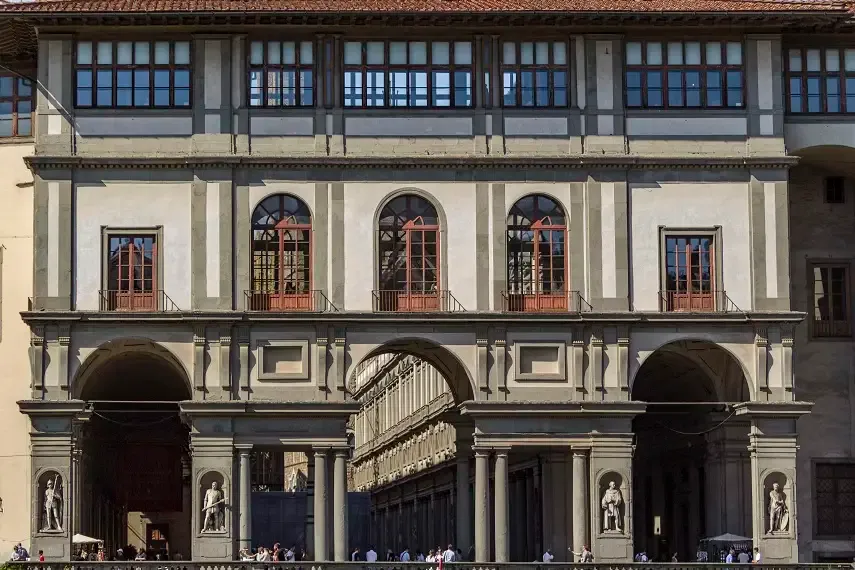
The Uffizi Loggia: Renaissance Architectural Genius
The Uffizi Loggia represents one of the finest examples of Renaissance architecture in Florence, designed by Giorgio Vasari as part of the original Uffizi palace complex.
Architectural Design
Vasari's Vision
Giorgio Vasari designed the Uffizi (1560-1580) as administrative offices for Cosimo I de' Medici:
- U-shaped layout connecting Palazzo Vecchio to the Arno
- Classical proportions following Renaissance principles
- Functional beauty combining utility with aesthetics
Structural Elements
The loggia features:
- Pietra serena columns in classical orders
- Arched openings creating rhythm and light
- Decorative elements celebrating Medici power
Historical Context
Original Purpose
The building served as:
- Government offices (hence "Uffizi" - offices)
- Administrative center for the Tuscan state
- Display space for Medici collections
Transformation to Museum
The conversion process:
- 18th century - First public gallery spaces
- 19th century - Expanded museum areas
- Modern era - World-class art museum
Architectural Features
The Corridor System
- East and West wings connected by bridges
- Continuous galleries for displaying art
- Natural lighting through large windows
Decorative Program
- Frescoed ceilings with allegorical themes
- Marble floors in geometric patterns
- Classical statuary in niches and alcoves
Visiting Experience
When exploring the loggia:
- Notice the perfect proportions of the arches
- Observe how natural light illuminates the spaces
- Appreciate the integration of architecture and art display
- Look for Medici symbols throughout the decoration
The Uffizi Loggia demonstrates how Renaissance architects created spaces that were both functional and beautiful, setting the standard for museum architecture worldwide.
关于作者

Architecture Historian
作为艺术和旅行的爱好者,我创建了这个网站来帮助其他旅行者充分利用他们对佛罗伦萨乌菲兹美术馆的参观。凭借多年探索世界各地博物馆的经验,我分享实用技巧和见解来丰富您的文化之旅。
Tags
Comments (0)
Loading comments...